

Structural Void Filling and Abatement Service Header
  • Clients:

  • Category:

    Services

  • Services:

    Residential Commercial Industrial Void filling Structural support Polyurethane foam Abatement

  • Social NetWork:

Structural Void Filling & Underground Abatement

Void Filling – Using Polyurethane to Fill, Stabilize and Reinforce Open Spaces, such as: Under Concrete Slabs, Concrete Leveling, Driveways, Sidewalks, Walkways and Patios, Under Structures Both Commercial and Residential, Porches and Stairs

Structural Void Filling & Underground Abatement in SE Michigan

Non-Excavation Stabilization for Abandoned Underground Structures

Abandoned or decommissioned underground structures can create serious structural risks beneath foundations, slabs, pavement, and surrounding soil. Structural void filling & underground abatement stabilizes these hidden spaces using high-density polyurethane foam, restoring structural safety and preventing collapse or sinkholes.

What Is Structural Void Filling & Underground Abatement?

Structural void filling uses expanding, load-bearing polyurethane foam to eliminate empty underground spaces, stabilize surrounding soils, and prevent structural failure.


Underground abatement safely stabilizes decommissioned subsurface structures so they no longer pose a risk to buildings, pavement, or site safety.


This method is ideal when:
  • Excavation would be disruptive, unsafe, or cost-prohibitive
  • The structure is inaccessible or located beneath an existing building or slab
  • Long-term stabilization is required without demolition

Schedule a Free Structural Void Assessment

Licensed & insured | Serving SE Michigan

What Structural Void Filling & Underground Abatement Is

Structural void filling and underground abatement is a non-excavation stabilization solution that uses high-density, load-bearing polyurethane to fill abandoned or compromised underground voids — such as old septic tanks, cisterns, vaults, tunnels, or dry wells — and stabilize surrounding soil to prevent settlement, collapse, or sinkholes beneath structures.

What Structural Void Filling Fixes

Unfilled voids can worsen over time as soil erodes, water migrates, and load pressures increase. Proper remediation prevents escalation before visible damage occurs.


Structural void filling & underground abatement helps address:

Could an unfilled underground void be putting your foundation or pavement at risk?

Why Underground Voids Are a Serious Risk

Abandoned underground structures are rarely engineered to remain empty long term. Because these voids are often hidden, damage may not appear until the structure above is already compromised.


Over time, this can lead to:

  • Soil migration and erosion
  • Loss of subgrade support
  • Slab cracking or pavement damage
  • Foundation movement or settlement
  • Sinkholes or sudden surface collapse
  • Safety and liability concerns

How Our Polyurethane Void Filling Process Works

Our process uses high-density structural polyurethane foam, injected directly into the void.


The polyurethane material:

  • Expands to displace air and water
  • Fills irregular cavities and complex subsurface spaces
  • Consolidates surrounding soils
  • Cures into a lightweight, load-bearing structural mass


This approach allows us to stabilize underground structures without excavation, demolition, or major surface disruption, even when voids are located beneath existing buildings or slabs.


Each injection is carefully monitored and controlled to ensure complete void displacement and long-term structural stability.

Conditions & Applications

Structural void filling & underground abatement is used across residential, commercial, and industrial properties to address hidden subsurface risks caused by abandoned structures, soil instability, or long-term settlement.


Not all signs mean a structural void is present. A professional evaluation can help identify what’s causing the issue.

    Residential Signs & Applications

  • Abandoned septic tanks or dry wells
  • Old underground cellars or root cellars
  • Soft spots or recurring yard settlement
  • Voids beneath driveways, garages, or patios
  • Decommissioned cisterns or water tanks
  • Suspected hidden underground structures

Commercial Symptoms & Applications


  • Abandoned underground storage tanks
  • Voids beneath parking lots or drive lanes
  • Decommissioned utility tunnels or vaults
  • Slab settlement in active facilities
  • Ground subsidence near structures
  • Redevelopment sites with buried voids

Industrial Symptoms & Applications


  • Decommissioned tunnels or process corridors
  • Abandoned tanks beneath plant facilities
  • Voids under heavy equipment foundations
  • Subsurface hazards at closed sites
  • Utility infrastructure voids or failures
  • Redevelopment of retired industrial sites

Why Choose Suburban Basement for Structural Void Filling

We focus on long-term stability, not temporary fixes.

Suburban Basement

Locally Owned
Independently Operated
Licensed & Insured
For Over 20 Years

Serving: Southeastern Michigan

Need Abatement Services?

We’re here to help. Get your free assessment today.

Questions? Chat Now!
Frequently Asked Questions

What types of underground structures are typically abated or filled?

Structural void filling is used to stabilize abandoned septic tanks, cisterns, dry wells, underground vaults, utility tunnels, culverts, buried chambers, and other decommissioned subsurface structures that were not properly backfilled.

Does structural void filling require excavation or demolition?

No. Structural void filling is typically performed using non-excavation polyurethane injection through small access points, allowing voids to be stabilized without disturbing surrounding soil, slabs, or structures.

Can structural void filling be performed beneath existing buildings or slabs?

Yes. Polyurethane void filling is commonly used beneath existing foundations, concrete slabs, parking areas, and equipment pads where excavation would be unsafe or impractical.

What happens if an abandoned underground void is left unfilled?

Unfilled underground voids can continue to deteriorate over time, leading to soil migration, loss of support, structural settlement, sinkholes, or sudden surface collapse.

Is polyurethane void filling considered a permanent solution?

No. Cracks caused by significant structural movement, bowing walls, or block foundation failure may require different repair methods. We evaluate each situation and explain the most appropriate solution for your specific conditions.

Is structural void filling safe near foundations and utilities?

Yes. Injection pressures and placement are carefully controlled to stabilize voids without exerting damaging force on nearby foundations, slabs, or underground utilities.

Abatement Glossary​
Abatement vs. Remediation

In underground void work, abatement means permanently eliminating a subsurface hazard so it no longer poses a structural risk. Remediation generally refers to correcting or improving a condition, which may still require ongoing monitoring.

Material encapsulation involves surrounding an underground structure or deteriorated feature so it no longer interacts with surrounding soil or groundwater. In void filling, this occurs when injected materials fully isolate unstable subsurface elements.

Abandonment grouting is the process of filling decommissioned underground structures, such as tanks, tunnels, or vaults, to eliminate void space and prevent collapse, settlement, or water movement.

Void filling, also called void fill grouting, eliminates empty underground spaces by injecting structural materials that restore soil continuity and prevent future settlement or collapse.

Pressure grouting injects grout into the ground under controlled pressure to fill voids or weak soils. It differs from polyurethane void filling in material behavior, expansion, and long-term load-bearing performance.

Geotechnical grouting refers to subsurface stabilization methods used to improve soil strength, reduce permeability, or fill voids. Structural polyurethane void filling is one form of geotechnical grouting when used for ground stabilization.

Subsidence repair addresses ground settlement caused by soil loss, erosion, or hidden voids. Structural void filling corrects subsidence by stabilizing the underlying conditions that allow surface movement.

Decommissioning is the formal removal of an underground structure from service. Proper decommissioning includes filling or stabilizing the structure so it does not remain as an unaddressed void.

Chemical grouting uses liquid materials that react and solidify after injection to seal soil or fill voids. These materials differ from polyurethane foams in expansion behavior, curing time, and structural capacity.

Hydrophobic polyurethane foam is a water-resistant, expanding material used to displace water, fill irregular voids, and cure into a lightweight, load-bearing mass that stabilizes surrounding soil.

Polymer and geopolymer grouts are engineered grouting materials used to stabilize soils and fill underground voids. They are designed for controlled flow, strength development, and long-term durability.

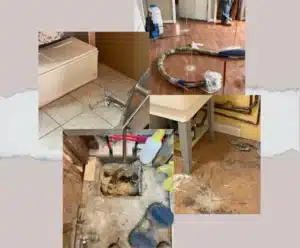
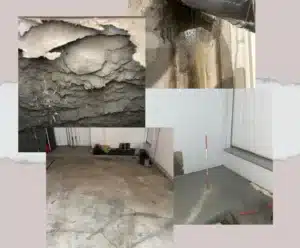
STRUCTURAL VOID FILLING REPAIR PHOTOS

The examples below show structural void filling & underground abatement work across Southeast Michigan, highlighting how hidden underground voids are identified, accessed, and stabilized using non-excavation polyurethane injection methods.

Previous Post

Deep Injection Soil Stabilization

Next Post

Deep Injection Soil Stabilization

Ask about our Lifetime Warranty

(586) 465-5500