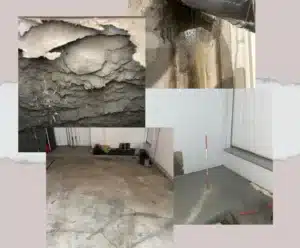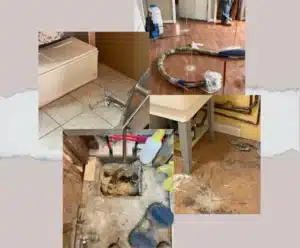



- Loss of soil support beneath foundations and slabs
- Settlement-related movement and uneven surfaces
- Weak or eroded soils beneath load-bearing areas
- Ongoing soil instability that can lead to further damage
Deep Injection Soil Stabilization in Southeastern Michigan
Trusted Solutions for Foundation Settlement & Unstable Soils
Residential, Commercial & Industrial Properties
Deep injection soil stabilization is a non-invasive solution used to strengthen weak or unstable soils below grade where erosion, washout, or poor soil conditions have contributed to movement.
Deep injection is commonly used to:
- Stabilize weak or eroded soils below grade
- Fill voids caused by washout or soil loss
- Help reduce continued settlement and movement
See How Deep Injection Soil Stabilization Works in Real Michigan Conditions
Watch how deep injection soil stabilization is used to address unstable soil conditions, what problems it helps correct, and when it is commonly applied to support foundations, slabs, and surrounding site areas.
Call Now: 586-465-5500 or Request a Free Assessment Online
What Deep Injection Soil Stabilization Is
Deep injection soil stabilization is a structural repair method that injects expanding polyurethane deep beneath a foundation to fill voids and strengthen weak or shifting soils. The material expands underground, compacting and stabilizing the soil to restore long-term structural support.
What Deep Injection Soil Stabilization Fixes and Stabilizes
When soil beneath or around a structure becomes weak, washed out, or poorly compacted, it may no longer provide consistent support. Over time, this can contribute to foundation settlement, sinking concrete, uneven surfaces, and ongoing movement that worsens if left unaddressed.
Deep injection soil stabilization addresses these conditions at their source by strengthening soils below grade, rather than relying solely on surface-level repairs.
Deep Injection Helps Correct:
By restoring strength and stability below the surface, deep injection helps reduce continued movement and supports long-term performance.
What Causes Soil Instability Beneath & Around Foundations?
Soil conditions beneath and around a structure can change over time due to a variety of factors, including:
- Poor soil compaction during original construction
- Soil washout caused by water movement or drainage issues
- Expansive or compressible soils
- Long-term changes in moisture levels
- Repeated freeze-thaw cycles
When these conditions reduce soil strength, the foundation or concrete slab above may begin to settle, shift, or crack.
Think This May Be Affecting Your Property?
A professional evaluation can help determine whether
soil instability is contributing to settlement or movement at your home or building.
Call Now: 586-465-5500 or Request a Free Assessment Online
How Our Deep Injection Soil Stabilization Works
Deep injection soil stabilization is used to strengthen weak or unstable soils well below grade, restoring reliable ground support where erosion, washout, or poor soil conditions have contributed to movement.
Rather than focusing on surface symptoms alone, this approach targets soil instability at its source, helping reduce continued settlement and improve long-term support for the structures above.
This approach allows:
- Deep underlying soil conditions to be stabilized without excavation
- Voids and weakened subsoil to be reinforced where support has been lost
- Soil-related movement to be addressed before additional damage occurs
Because deep injection focuses on soil conditions rather than structural components, it is often combined with other foundation, drainage, or surface repair solutions when a broader correction is needed.
Need expert guidance on whether deep injection is the right approach?
Call Now: 586-465-5500 or Request a Free Assessment Online
Applications for Residential, Commercial, & Industrial Properties
Deep injection soil stabilization is used across a wide range of property types where unstable soil conditions are contributing to movement or loss of support.
Residential Applications
- Foundation settlement caused by unstable or eroded subsoil
- Sinking driveways, sidewalks, patios, or porches
- Voids beneath basement or garage slabs
- Soil erosion near the home from poor drainage or runoff
Commercial Applications
- Settlement beneath building slabs or load-bearing areas
- Soil instability affecting walkways, entryways, or parking areas
- Support for structures where excavation would disrupt operations
Industrial Applications
- Subgrade stabilization beneath large floor slabs
- Soil washout affecting structural support zones
- Reinforcement of weak soils in high-load environments
Experience a Level Difference
Call Now: 586-465-5500 or Request a Free Assessment Online
Why Choose Suburban Basement for Deep Injection Soil Stabilization
At Suburban Basement Waterproofing, deep injection is recommended only after a careful evaluation of soil conditions and site-specific factors. Our focus is on matching the right solution to the underlying issue, not forcing a one-size-fits-all repair.
- Evaluation-driven recommendations
- Experience with residential, commercial, & industrial properties
- Non-invasive stabilization expertise
- Knowledge of Southeast Michigan soil conditions
- Clear communication and realistic expectations
Experience the Suburban Basement Difference
Call Now: 586-465-5500 or Request a Free Assessment Online!
Suburban Basement
Locally OwnedIndependently OperatedLicensed & InsuredFor Over 20 Years
Serving: Southeastern Michigan
- Macomb County
- St. Clair County
- Oakland County
- Lapeer County
- Wayne County
- Call: 586-465-5500
Have Unstable Soil?
We’re here to help. Get your free assessment today.
Questions? Chat Now!
Related Services
Related Methods & Materials
Frequently Asked Questions
How is deep injection different than concrete leveling?
Concrete leveling focuses on correcting uneven concrete surfaces. Deep injection stabilizes weak or eroded soils deeper below grade by filling voids and improving ground support, which helps reduce continued settlement and movement.
How can I tell if soil instability is causing movement at my property?
Signs of soil instability may include cracking walls, uneven floors or slabs, stair-step cracks in masonry, separating joints, or recurring settlement even after surface repairs. A professional evaluation can help determine whether unstable subsoil is contributing to the movement.
Can deep injection be used beyond foundations and concrete slabs?
Yes. Deep injection soil stabilization can be used in areas where unstable soil is causing movement, including around retaining walls, exterior walls, walkways, drive approaches, and other load-bearing areas affected by erosion or poor subsoil conditions.
Is deep injection safe to use around groundwater?
Yes. The polyurethane materials used in deep injection are designed to be inert once cured and are commonly NSF/ANSI 61 certified for contact with potable water, making them suitable for use near groundwater when installed properly.
Will deep injection prevent future settlement?
Deep injection stabilizes weak or eroded soil at its source, which significantly reduces the risk of continued settlement. Long-term performance depends on site conditions and addressing contributing factors such as drainage or water management when needed.
How much does deep injection soil stabilization cost?
The cost of deep injection soil stabilization in Michigan depends on several factors, including the depth of unstable soils, the size of the affected area, access conditions, and the severity of settlement. Because deep injection targets underlying soil conditions rather than surface symptoms, pricing is determined after an on-site evaluation to ensure the correct approach is used. Suburban Basement provides site-specific assessments to determine whether deep injection is appropriate and what level of stabilization is required.
Deep Injection Glossary
Soil Stabilization:
Methods used to improve the strength and load-bearing capacity of soil so it can properly support structures, slabs, or surrounding site features.
Deep Injection
A soil stabilization technique that injects expanding materials below grade to fill voids, compact loose soils, and improve ground support where instability exists.
Soil Remediation
Corrective actions taken to address soil conditions that affect stability or performance.
Subsoil
The layer of soil beneath the surface that provides structural support. Weak or unstable subsoil is a common cause of settlement and movement.
Soil washout
The loss of soil caused by water movement, often due to poor drainage or erosion, which can create voids and reduce ground support.
Soil Erosion
The gradual removal of soil by water or environmental forces, which can weaken ground stability around foundations and site features.
Void
An empty or weakened space within the soil caused by erosion, washout, or poor compaction that can contribute to settlement or collapse.
Settlement:
The downward movement of soil, slabs, or structures caused by loss of soil support, compaction, or erosion.
Load-Bearing Capacity
The ability of soil to safely support the weight of structures, slabs, or other loads without shifting or settling.